Booking choice: The high mountain day tour, ★ 4.8 (473). Check dates Compare the options below
Aconcagua has two very different seasons. In the southern summer, roughly November to March or April, the park opens for treks and climbs, the rangers and doctors move into the camps and the valleys are dry and bright. In winter the treks close, snow covers the upper valley and the only way to see the mountain is from the viewpoint at Horcones on a day tour, when the road is open.
This guide goes month by month for the three kinds of visit: a day tour from Mendoza, the Confluencia day hike and the summit. It covers the weather at each level, what winter is really like and how Mendoza's own seasons fit in. Permits for each season are covered in Aconcagua permits and guides; the length of each trip in how many days to climb Aconcagua.
The quick answer
Day tours to the Aconcagua viewpoint run all year, weather permitting; the Cristo Redentor road opens only in summer. The Confluencia day hike runs from about mid-November to early April. Treks and summit climbs run in the southern summer, roughly November to March or April, with full park services (rangers, doctors, helicopter) from about December to early March. The main summit window is mid-December to February; January is usually the warmest and most settled month and also the busiest. November and March are quieter and colder. In winter (May to October) there are no treks or climbs, and snow can close Route 7 and the pass for days. Exact dates for 2026-27 are published by the park each season: check the park website before booking.
What time of year to climb Aconcagua?
Mid-December to February. The climbing season runs in the southern summer, roughly November to March or April, but full park services operate from about December to early March, and the best summit weather usually falls between mid-December and February.
The table shows what runs in each part of the year. It is a pattern, not a timetable: the park publishes the dates for each season, and exact dates for 2026-27 had not been confirmed when we checked in September 2026. Check the current season's rules on the park website before booking.
| Months | Day tours | Confluencia hike | Summit climbs | Weather |
|---|---|---|---|---|
| May to August | Most days, weather permitting; snow can close Route 7 | Closed | Closed | Winter: snow in the park, cold, short days |
| September to October | Yes; Cristo Redentor road still closed | Closed | Closed | Late winter and spring: snow lingers, cold wind |
| November | Yes; the Cristo road may open late in the month | From about mid-November | Season opens; few services at first | Cold nights, snow higher up, quieter trails |
| December | Yes, with the Cristo road usually open | Good | Summit window opens mid-month; full services | Warm valleys, long days |
| January | Yes, busiest month on Route 7 | Best | Peak season: warmest and busiest | Usually the most settled month |
| February | Yes | Good | Good, fewer teams late in the month | Warm valleys, cooler nights by the end |
| March | Yes; wine harvest time in Mendoza | Good, quieter | Services wind down about early March | Cooler, clear autumn days |
| April | Yes | Until about early April | Season closes | Cold, first snows |
When is the Aconcagua season?
The park's summer season runs roughly from November to March or April. Within it, day treks run from about mid-November to early April, and rangers, doctors and the rescue helicopter work from about December to early March.
On paper, recent seasons have run from November to April, but the useful season is shorter. Day hikes to Confluencia start once the trail is clear of snow, around mid-November. Expeditions that set off in November or after early March climb with fewer services at the camps and colder weather, which is why most outfitters schedule their departures from December to February. Treks with overnight stays usually finish around Easter.
The exact dates, fees and rules are set by the park for each season and can shift by a week or two. Check the park website before you fix your flights, and ask your outfitter which services are running on your dates.
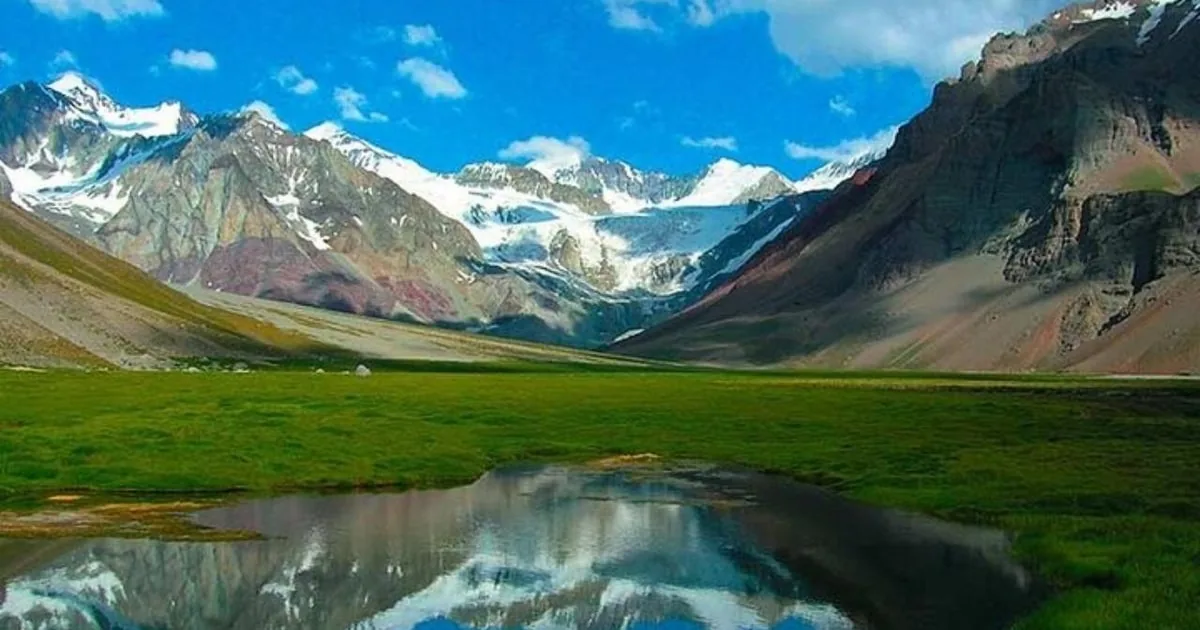
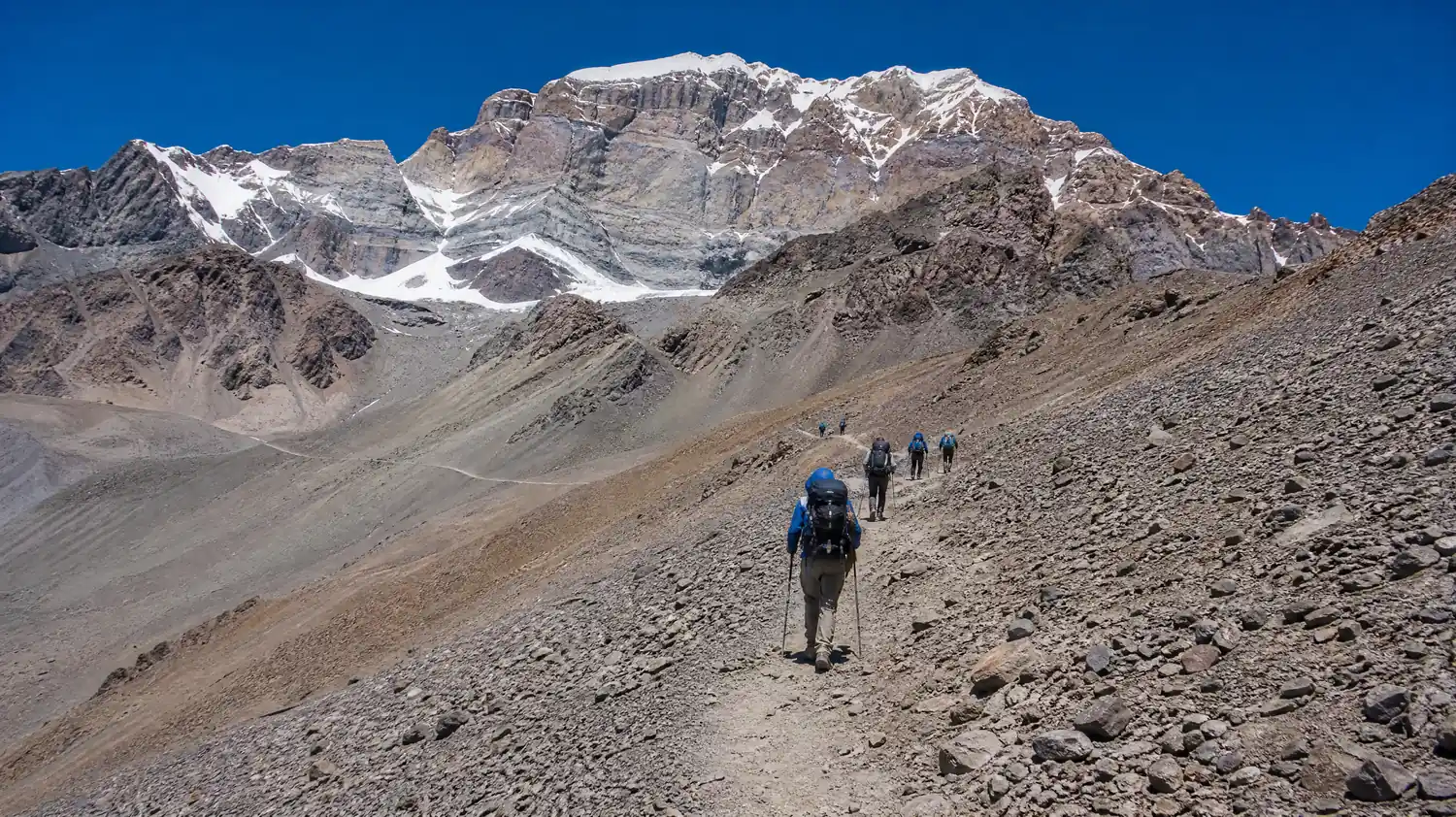
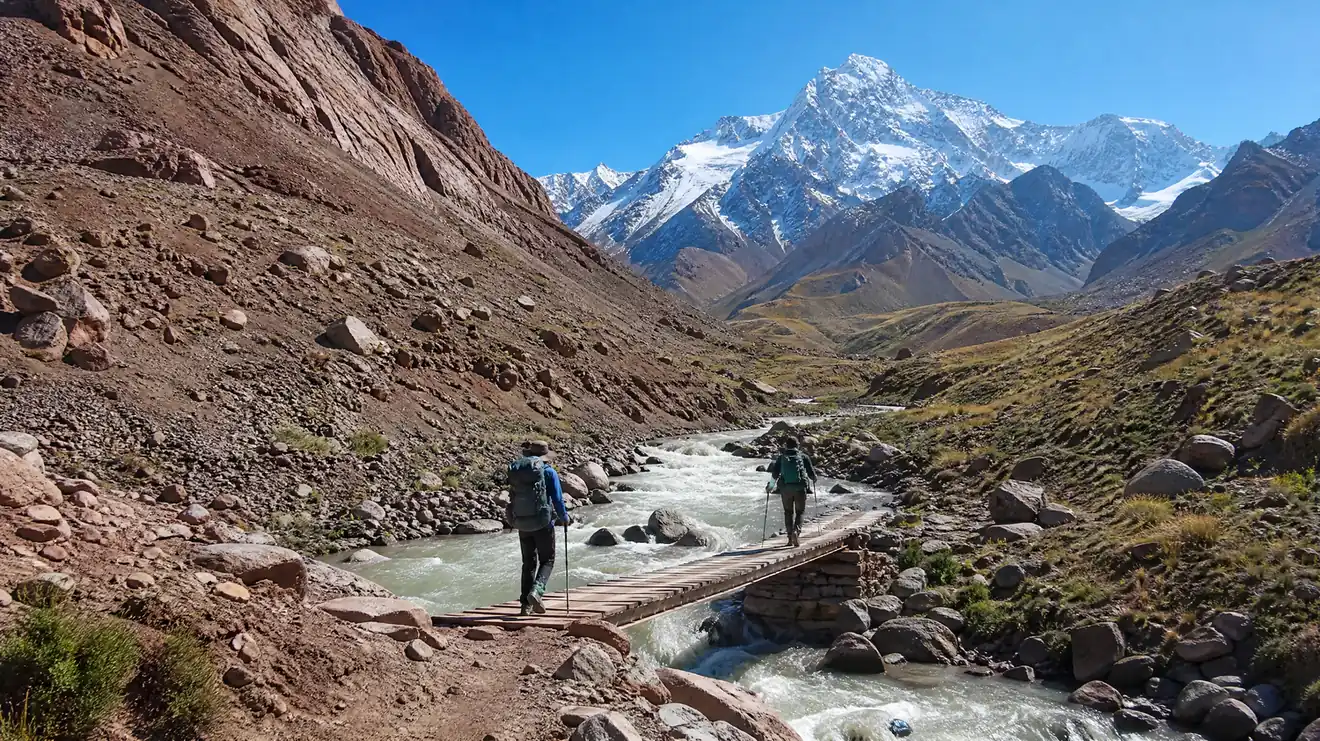
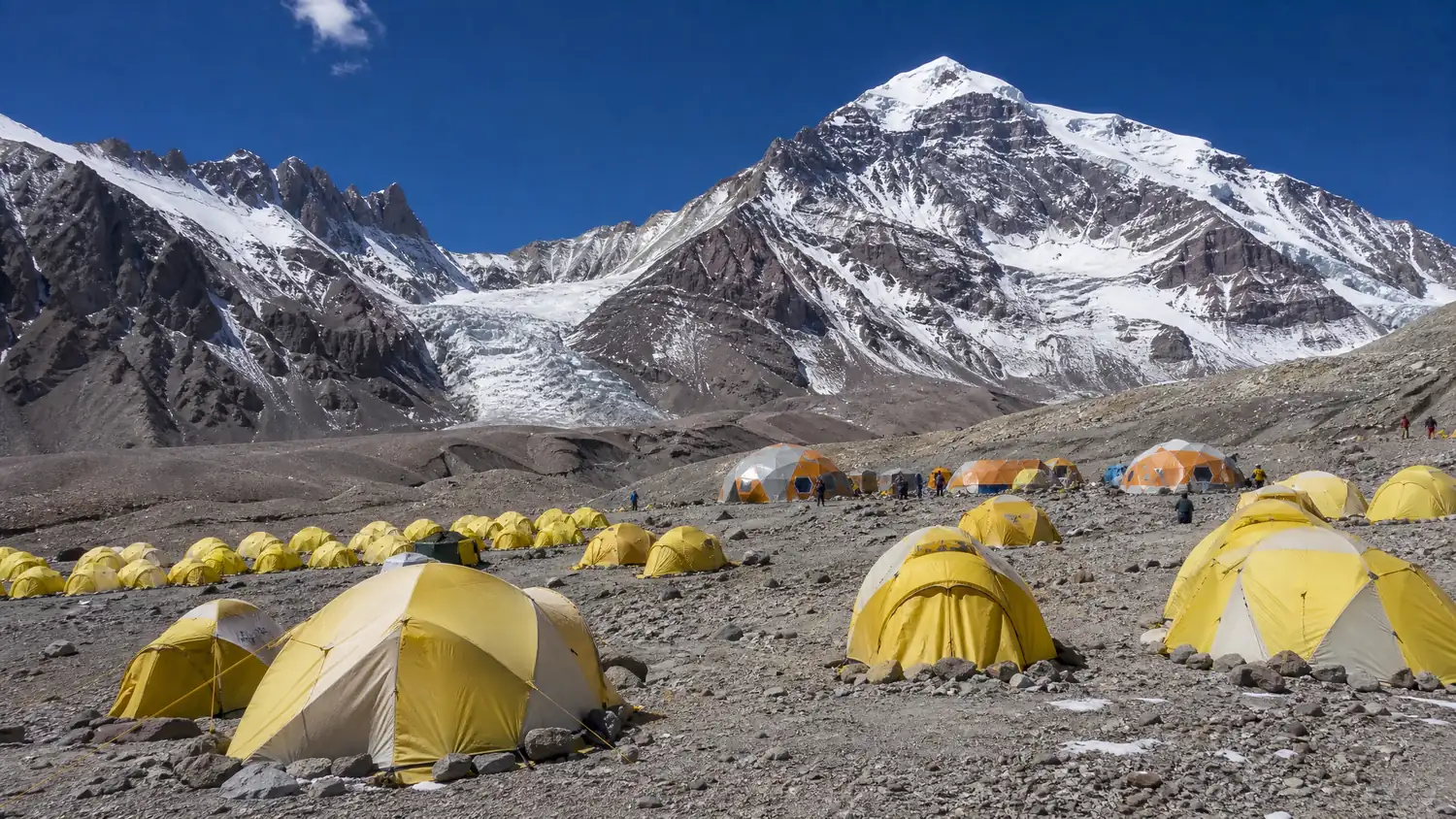
The Confluencia camp hike in season: a private day with a mountain guide, 3 to 4 hours up the Horcones valley, lunch on the trail and a driver from Mendoza.
Check dates for the Confluencia camp hikeWhen is the best time for the Confluencia hike?
December to February, when the trail is dry, the days are long and the camp at Confluencia is staffed. Late November and March are quieter and still good, but colder, especially early in the morning.
The hike goes from about 2,900 m to about 3,400 m and back, 6 to 8 hours in all. In midsummer the valley is warm in the sun, but the wind off the glaciers is cold, so you still need a warm layer and a windproof. January brings the most hikers and the most expeditions heading up with their mules, which some people enjoy and some would rather avoid; late February and March are calmer. In November, snow can linger on shaded parts of the trail.
The day-trek permit is only sold for the season window, and the minimum age is 16. The private Confluencia hike runs from Mendoza with a mountain guide; the trail itself is described in the Confluencia and Plaza Francia guide.
Can you visit Aconcagua in winter?
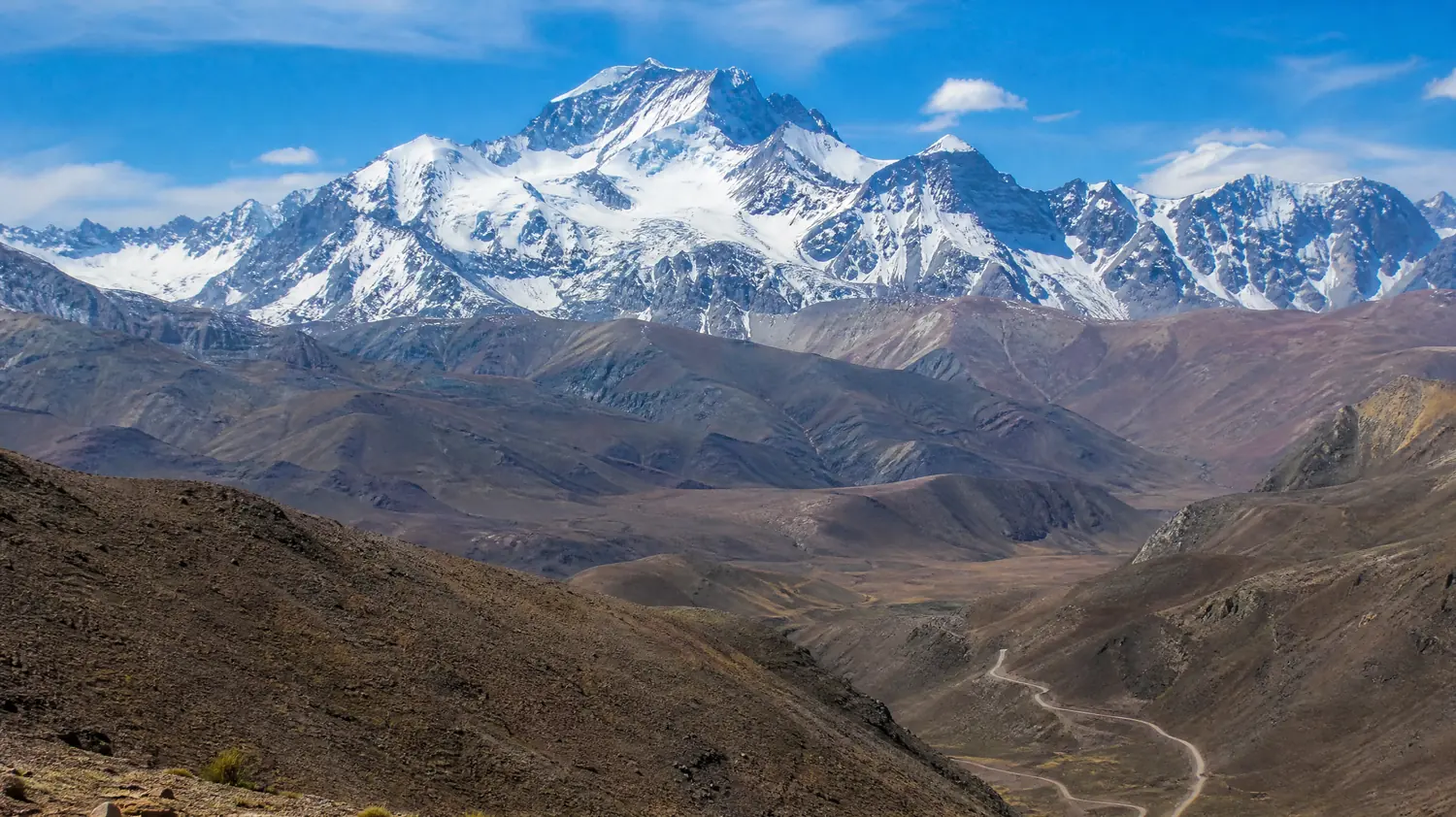
Yes, on a day tour: the Aconcagua viewpoint and the Horcones lagoon loop stay open all year, weather permitting. But treks and climbs are summer only, the Cristo Redentor road is closed, and snow can close Route 7 and the pass to Chile for days.
From May to October the high mountain day tours still drive Route 7 past Potrerillos, Uspallata and Puente del Inca, and on clear days the view of the snow-covered South Face from Horcones is at its best. The road is the problem: heavy snowfall closes the upper part of the route, sometimes at short notice, and the tour then turns back or stops lower down. Reviewers of the Aconcagua and Puente del Inca tour describe the operator adapting the day when snow closed the pass, and advise coming closer to summer for better weather.
If you go in winter, bring real winter clothes: a warm jacket, hat, gloves and boots. Some tours stop where you can rent snow gear, and the snow around Penitentes and Puente del Inca is a big part of the appeal. Book with a full refund if you cancel up to 24 hours ahead, and check the road status the evening before.
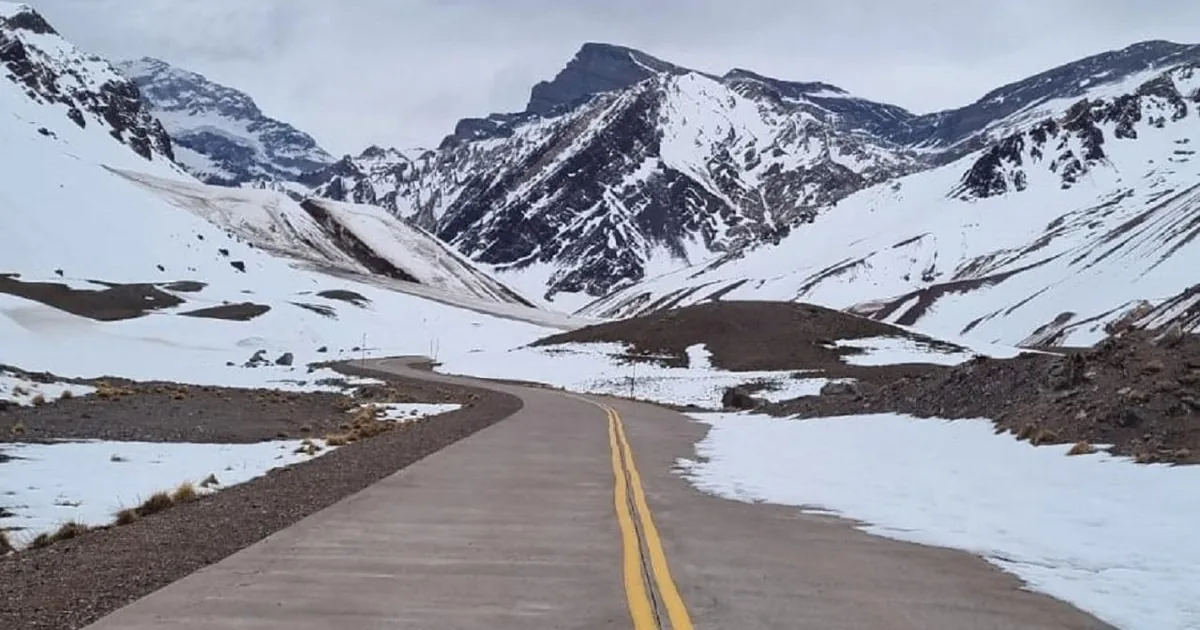
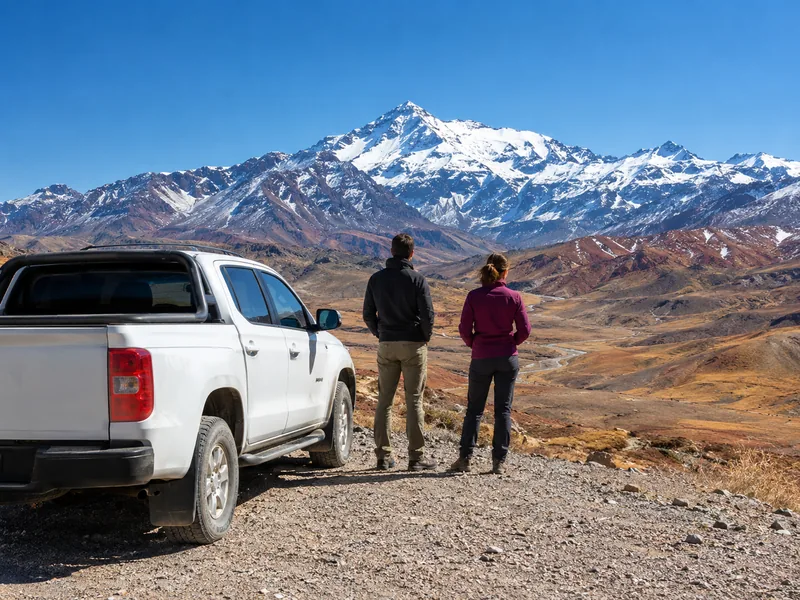
The private high mountain tour picks you up wherever you stay and adapts the stops to the road and weather on the day: Potrerillos, Uspallata, Puente del Inca, then a short walk in the park facing the South Face. About 9 hours, rated 4.8 from 25 reviews.
Explore the private high mountain tourWhat is the weather like on Aconcagua?
It depends on the height more than the month. In summer the valleys around Horcones are warm and dry by day; base camp at about 4,300 m has sunny days and nights well below zero; the summit is typically between -20 °C and -30 °C, with strong wind.
- Mendoza city, about 750 m: hot, dry summers and mild, sunny winters.
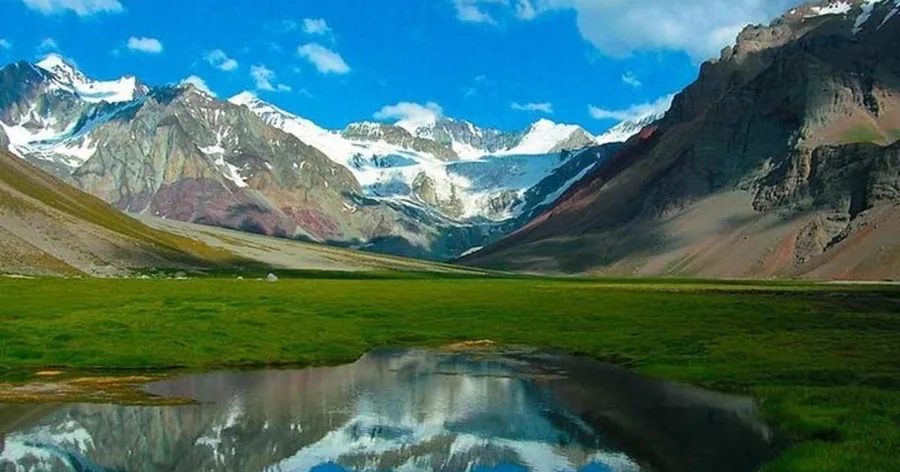
- Horcones and the lagoon, about 2,900 m: summer days are pleasant in the sun but windy; nights are cold. In winter the area is often under snow.
- Confluencia, about 3,400 m: warm in midsummer sun, cold as soon as a cloud or the wind arrives.
- Plaza de Mulas, about 4,300 m: operators report summer days of roughly 10 °C to 20 °C in the sun and nights around -10 °C or colder.
- The summit, 6,961 m: typically -20 °C to -30 °C, with wind chill far lower; winds can pass 100 km/h.
The weather to respect is the viento blanco, the white wind: a storm from the Pacific that brings sudden strong wind, cold and blowing snow high on the mountain. It is the main reason expeditions carry spare weather days. More on the cold, the wind and the altitude is in how hard it is to hike Aconcagua.
Which month is best for the summit?
January, for most climbers: it is usually the warmest and most settled month high on the mountain. Late December and early February are the alternatives, with slightly fewer teams.
Outfitters schedule most departures to put summit day between late December and mid-February. January gives the best odds of calm weather but also the busiest camps, at Plaza de Mulas and higher. Early-season teams in November and early December meet more snow and colder nights, and late-season teams after mid-February meet cooling weather and park services winding down in early March.
Whatever month you pick, the schedule matters more than the date. A plan with enough acclimatisation and a few spare days lets you wait out a storm and still reach the top. The Normal Route expedition on GetYourGuide is a fast 12-day plan; why most teams take longer is explained in how many days to climb Aconcagua.
A guided Normal Route expedition via Plaza de Mulas, with meals, tents and mules, for climbers who arrive fit and already acclimatised.
Check dates for the summit expeditionHow do Mendoza's seasons fit into an Aconcagua trip?
Summer in Mendoza (December to February) is hot and busy, autumn (March to May) brings the wine harvest and cooler days, and winter is mild in the city while snow falls in the mountains. Plan your hiking for summer and your wine days around it.
Mendoza is Argentina's largest wine region, and the harvest around March is a lively time to visit, with the vineyards of Luján de Cuyo, Maipú and the Uco Valley at their busiest. That fits the end of the trekking season: a Confluencia hike or a day tour in March still works, and the mountain is quieter. In midsummer, plan any wine tasting for rest days after the mountain, not before: alcohol and altitude do not mix.
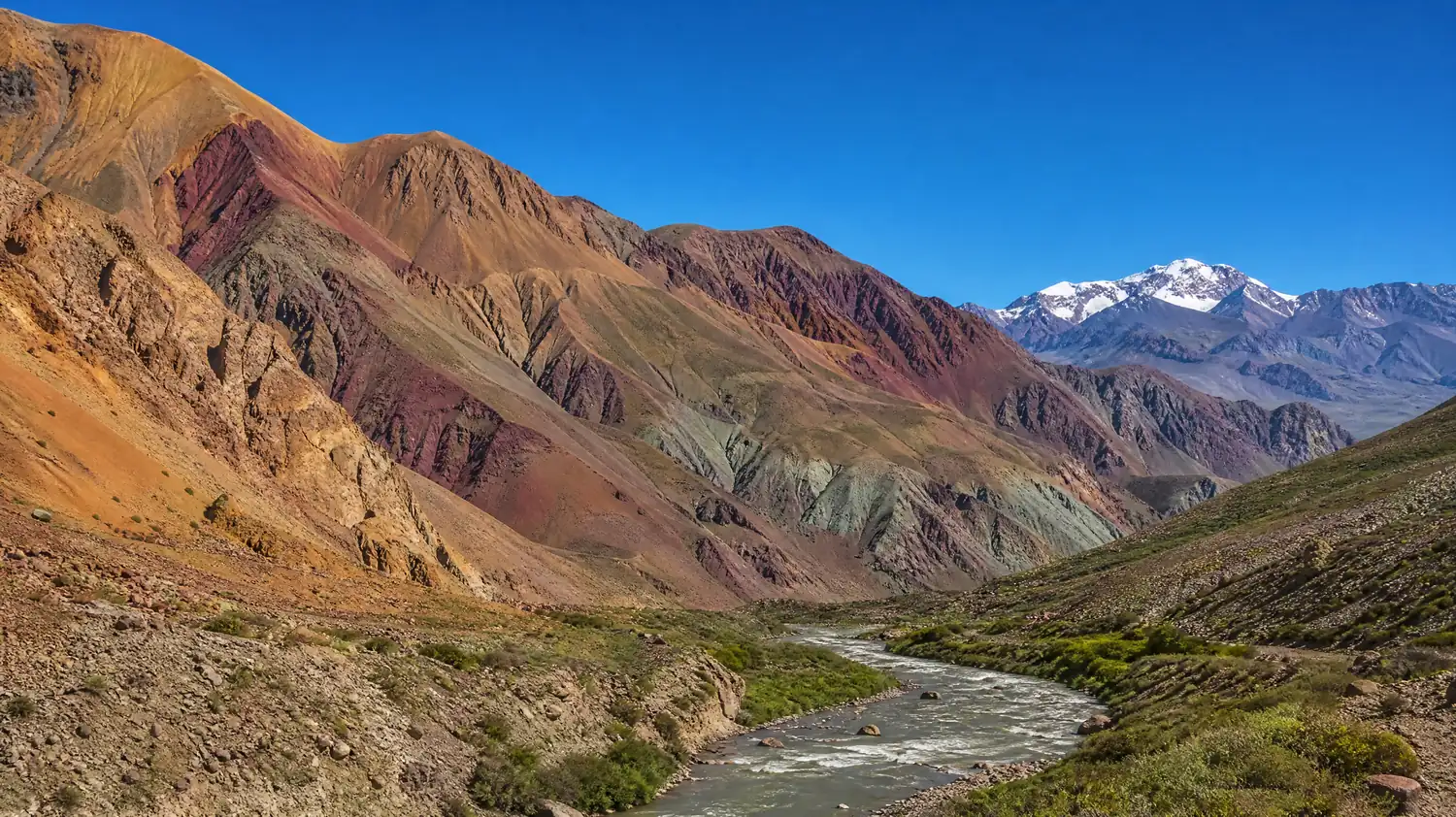
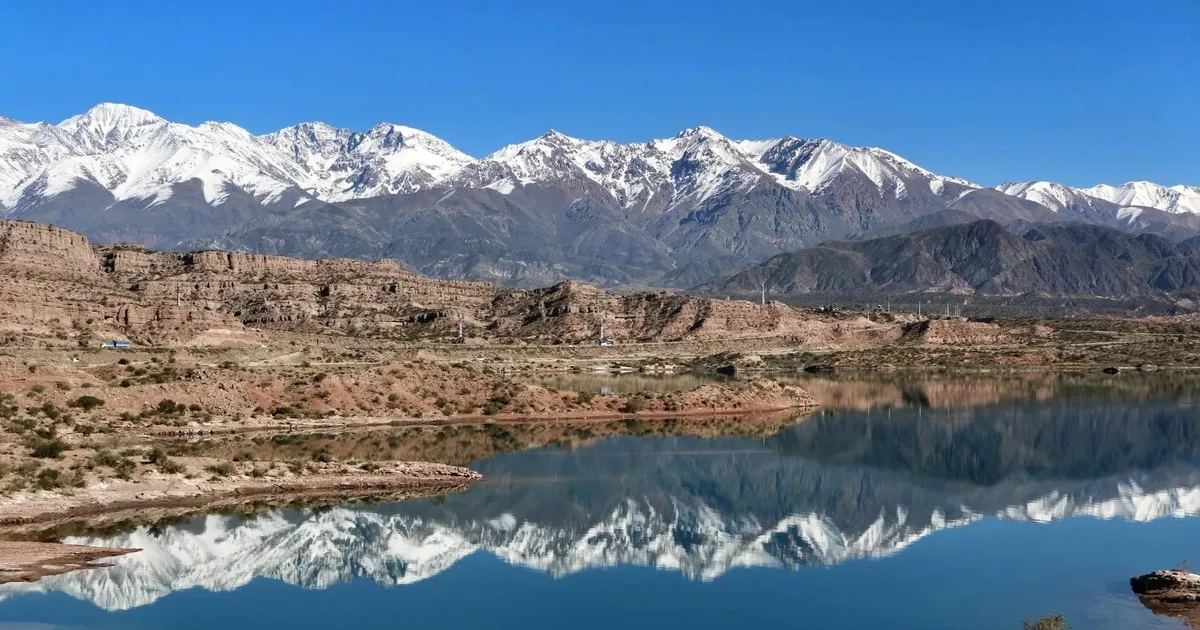
On the drive up, the Potrerillos reservoir is a good stop in every season, and in summer it is a hub for rafting and kayaking on the Río Mendoza. The high mountain day tour (4.8 from 473 reviews) stops there on the way to Puente del Inca and the Aconcagua viewpoint. More ideas for the rest of your stay are on the homepage.
What is a day tour like in summer?
Long, bright and busy. Most tours leave Mendoza early, run 10 to 12 hours and, in the summer months, add the Cristo Redentor at 3,832 m on the old pass road when it is authorised.
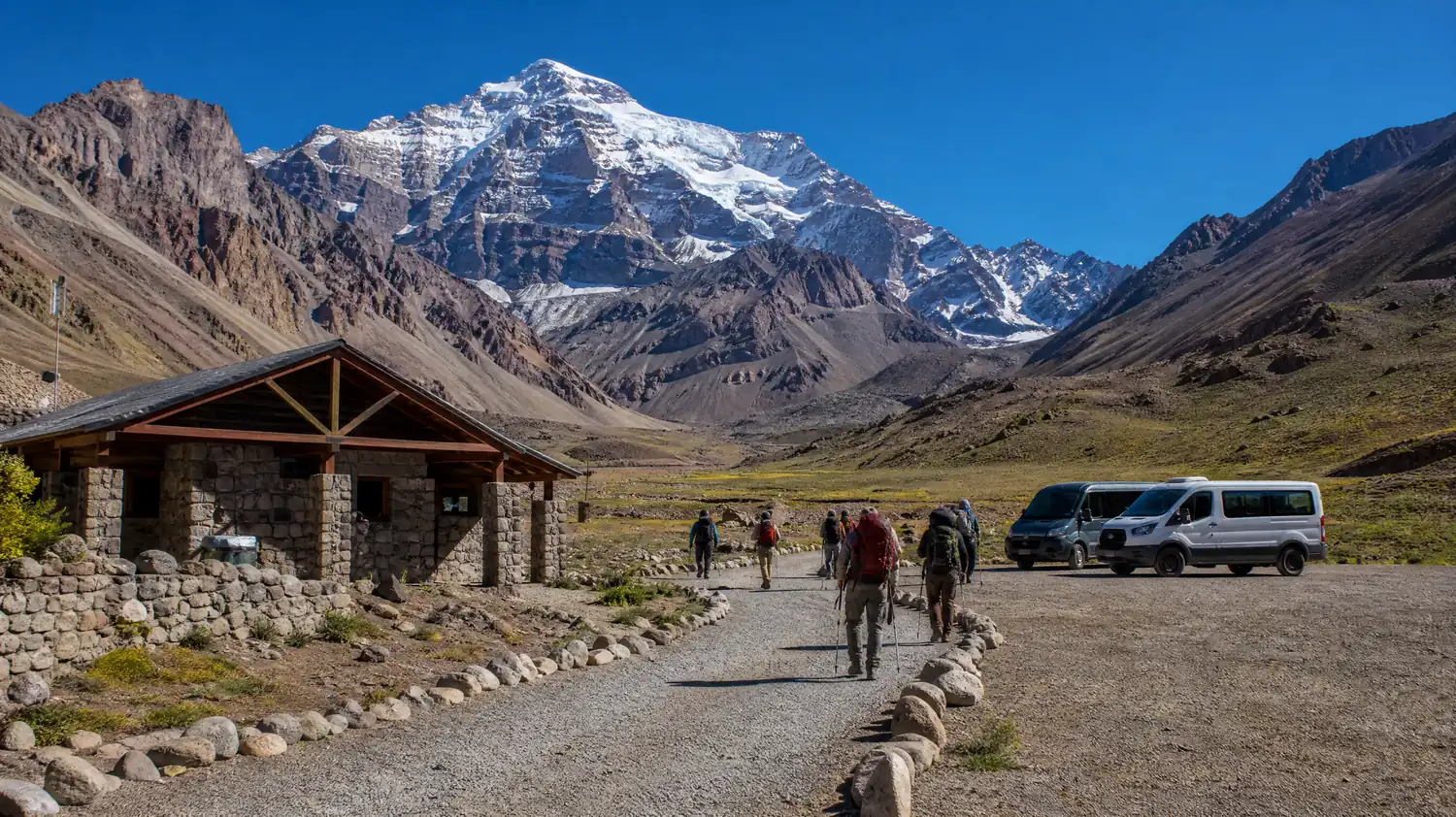
In summer the Route 7 tours reach every stop: Potrerillos, Uspallata, Puente del Inca, the Aconcagua viewpoint at Horcones, Las Cuevas and, when the road is open, the Cristo Redentor statue on the Chilean border. The Laguna de Horcones loop is possible on tours that stop long enough; the entrance is paid at the gate. You spend most of the day in the vehicle, so this is a scenic drive with short walks rather than a hike.
Reviewers of the day tours say the same things across the seasons: bring layers, because the park is far colder than Mendoza, and expect the altitude above 3,000 m to feel strange if you rush. Which day tour suits you, and how they differ from the Confluencia hike, is covered in the Confluencia and Plaza Francia guide.
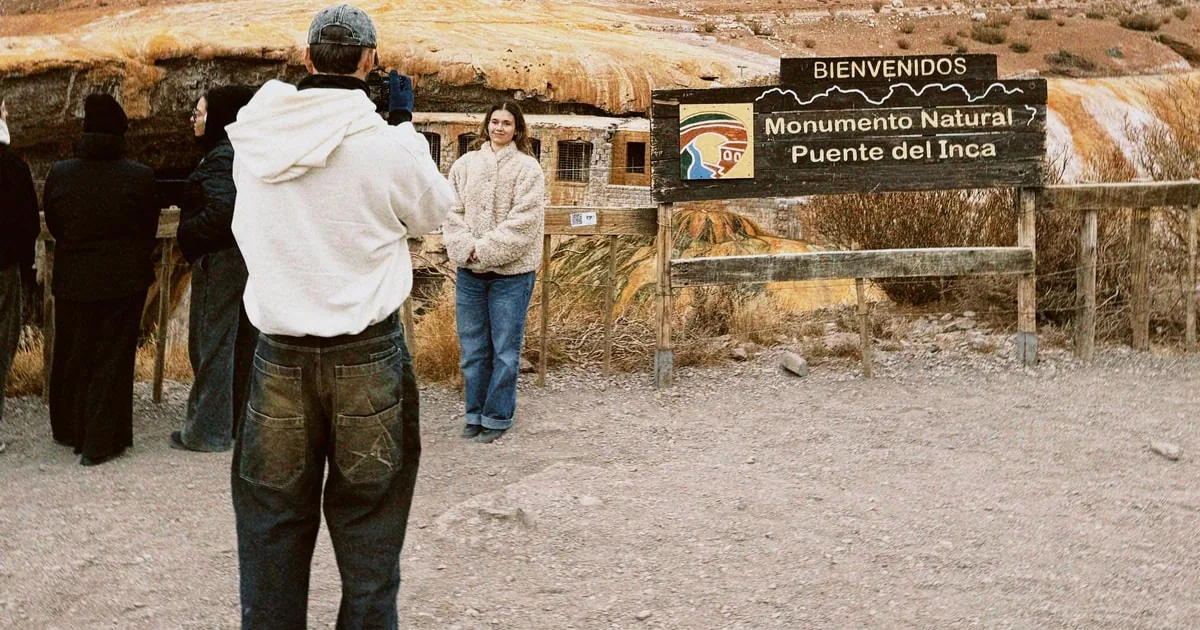
Frequently asked questions
Is December a good time to visit Aconcagua?
Yes. December is early summer: the Confluencia hike and the treks are open, park services start, the summit window opens from mid-month and the Cristo Redentor road usually opens for day tours.
Can you see Aconcagua from Mendoza city?
No. The mountain is hidden behind the front ranges; you first see it near the park, from Horcones and the viewpoints along Route 7.
Is there snow at Aconcagua in summer?
Yes, always on the upper mountain and the South Face. The trail to Confluencia is usually clear from about mid-November, but snow can fall high up in any month.
Are the day tours worth it in winter?
If you want snow and the view of the South Face, yes, on a clear day. Choose a tour with a full refund if you cancel up to 24 hours ahead, because snow can close the road.
Ready to book
Choose your day
Check your date and the live price on GetYourGuide; the refund terms are shown on each option.
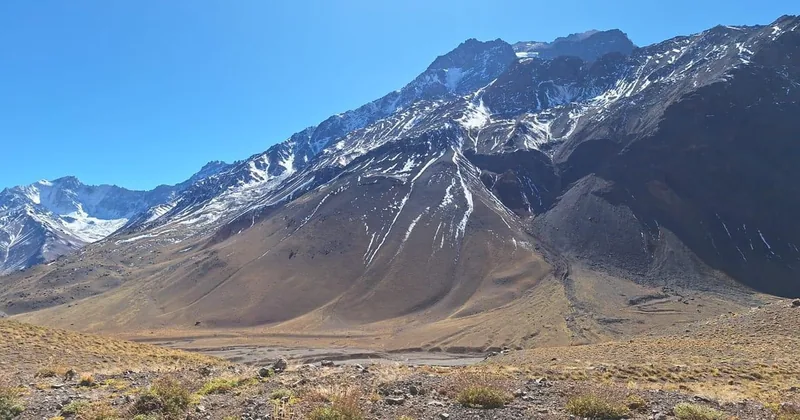
Andes High Mountain Full-Day Tour
- Hotel pickup and drop-off in Mendoza
- A guide on board all day
- Stops at Potrerillos, Uspallata and Puente del Inca
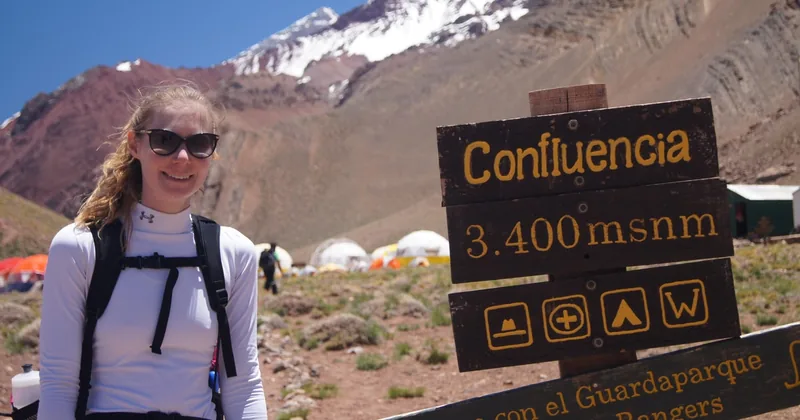
Aconcagua Confluencia Camp Hike
- Private return transport from Mendoza with a driver
- A professional mountain guide with Aconcagua experience
- The guided hike to Confluencia camp and back
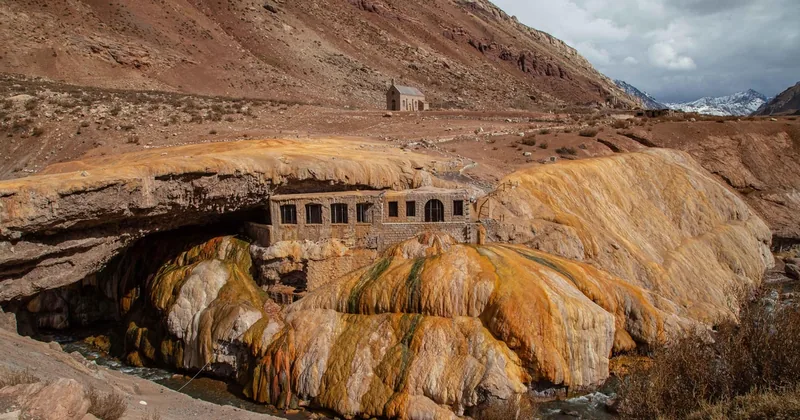
High Mountain, Aconcagua & Puente del Inca
Potrerillos, Uspallata, Puente del Inca and the Aconcagua viewpoint, with a bilingual guide