Booking choice: The summit expedition, New listing. Check dates Compare the options below
Climbers rarely look at Aconcagua on its own. Most have done Kilimanjaro or an Alpine peak, or are planning the Seven Summits, and want to know where it fits. The honest answer is that it sits in an unusual place: the climbing is not technical, but the mountain is very high, very cold and very long, and those three things together catch out people who judged it by the lack of ropes.
This guide compares Aconcagua with the peaks it is most often measured against, in one table and then peak by peak, and ends with the ways to experience Aconcagua without committing to the summit. How hard each level of the mountain is, from the lagoon walk to the Canaleta, is in how hard is it to hike Aconcagua.
The quick answer
Aconcagua (6,961 m, 18 to 21 days) is harder than Kilimanjaro (5,895 m, 5 to 9 days) in every way except technique: both are non-technical, but Aconcagua is higher, colder, windier and you carry loads between the high camps. Mont Blanc (about 4,806 m, 2 to 3 days) is much lower but a glaciated climb with rope, crampons and crevasse skills. Denali (6,190 m, about 3 weeks) is lower but harder: glacier travel, sleds, sub-Arctic cold. Lenin Peak (7,134 m) is higher and glaciated, a common next step after Aconcagua. Among the Seven Summits, Everest is hardest overall, Denali usually next, and Aconcagua sits in the middle. For a taste of Aconcagua without the climb, hike to Confluencia in a day or make the 3-day ascent of Cerro Penitentes (4,351 m).
How does Aconcagua compare with the other big peaks?
It is higher than any peak outside Asia and, on the Normal Route, easier technically than most of the mountains it is compared with. The challenge is the altitude, the cold and the length, not the climbing.
The table compares the peaks people most often weigh against Aconcagua. Days are typical for a guided ascent from the nearest town, including acclimatisation; technical means rope work, glacier travel or steep ice and rock on the standard route. Heights of snow-capped summits change slightly with each survey.
| Peak | Height | Days | Technical? | Main challenge |
|---|---|---|---|---|
| Aconcagua, Argentina | 6,961 m | 18 to 21 | No, on the Normal Route | Altitude, cold, wind, carrying loads between high camps |
| Kilimanjaro, Tanzania | 5,895 m | 5 to 9 | No | Altitude gained quickly; summit night |
| Mont Blanc, France and Italy | About 4,806 m | 2 to 3, after acclimatising | Yes: glacier, rope, crampons | Crevasses, rockfall, fast Alpine weather |
| Denali, Alaska | 6,190 m | About 3 weeks | Yes: glacier travel | Sub-Arctic cold, crevasses, hauling sleds |
| Lenin Peak, Kyrgyzstan and Tajikistan | 7,134 m | Usually longer than Aconcagua | Glaciated, few steep sections | Height above 7,000 m, glacier and avalanche risk |
| Everest, Nepal and China | 8,849 m | About two months | Yes, in places | Extreme altitude; most climbers use bottled oxygen |
Is Aconcagua harder than Kilimanjaro?
Yes, clearly. Aconcagua is about 1,000 m higher, much colder and windier, and takes 18 to 21 days instead of about a week, with loads to carry above base camp. Kilimanjaro is the usual first step before Aconcagua, not an equivalent.
On Kilimanjaro, porters carry almost everything, you sleep in huts or fixed camps, and the summit is reached after 5 to 9 days on well-worn trails. The main difficulty is the speed of the ascent. On Aconcagua, mules carry loads to base camp, but above it most climbers carry their own share between camps, set up tents in the wind, and melt snow for water, at heights where every task takes twice as long. Summit day is longer, the air thinner and the cold harsher.
What the two share is that neither needs rope work on the standard route, which is why Kilimanjaro is such good preparation: it shows you how your body reacts above 5,000 m. The Normal Route expedition on GetYourGuide is a fast 12-day plan; most outfitters plan 18 to 20 days, so the short version suits climbers who arrive fit and already acclimatised, for example straight after another high peak.
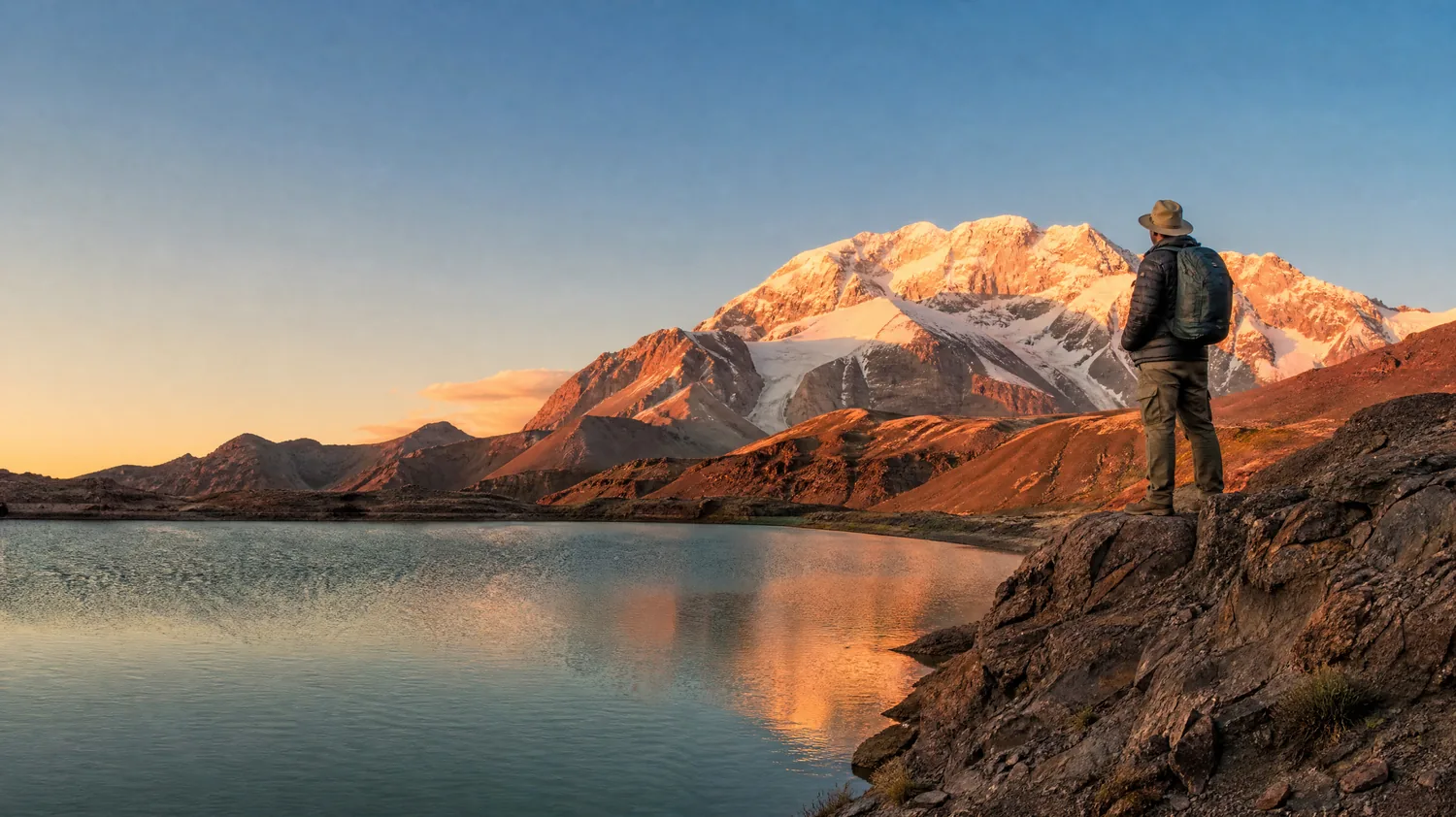
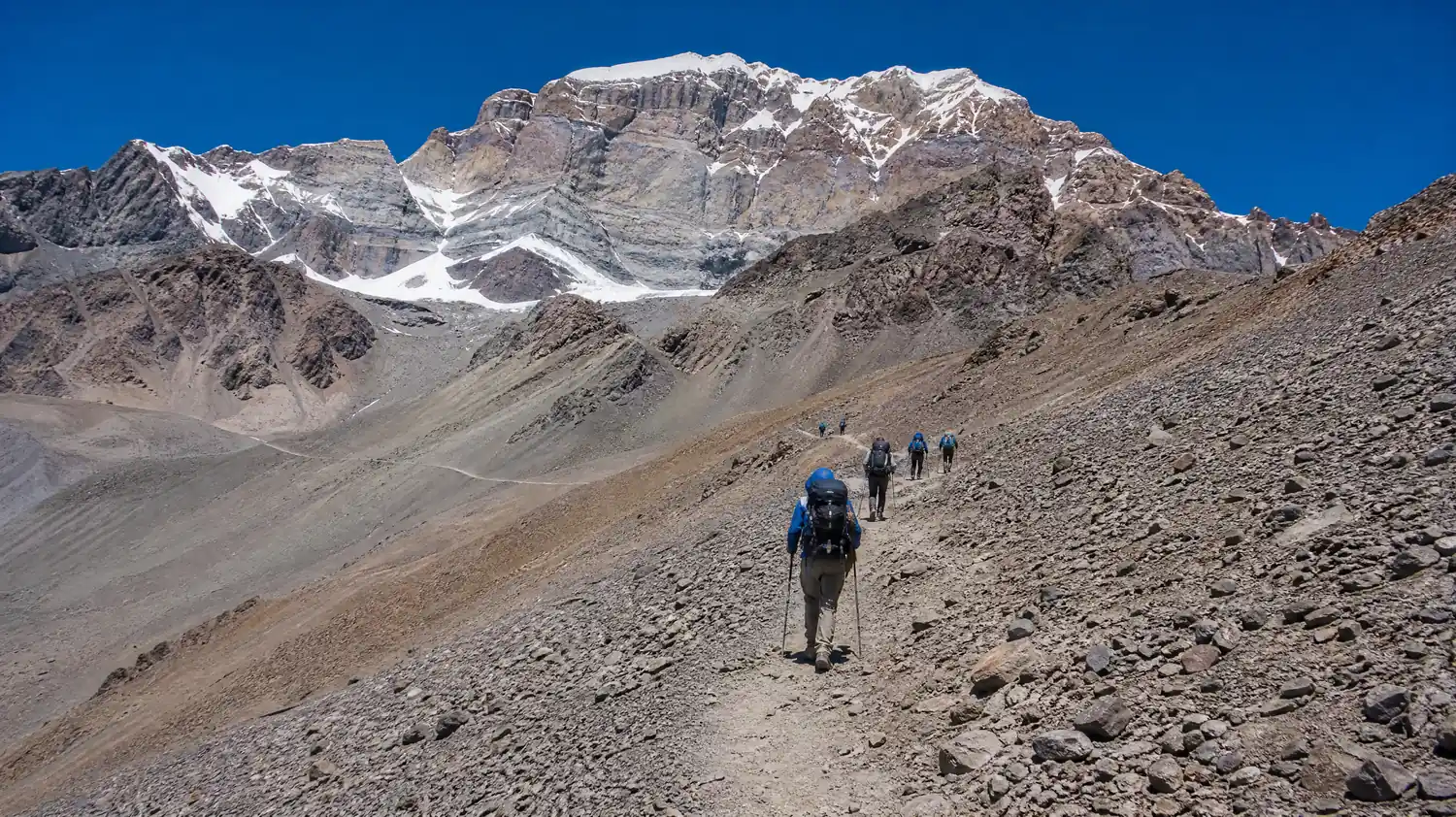
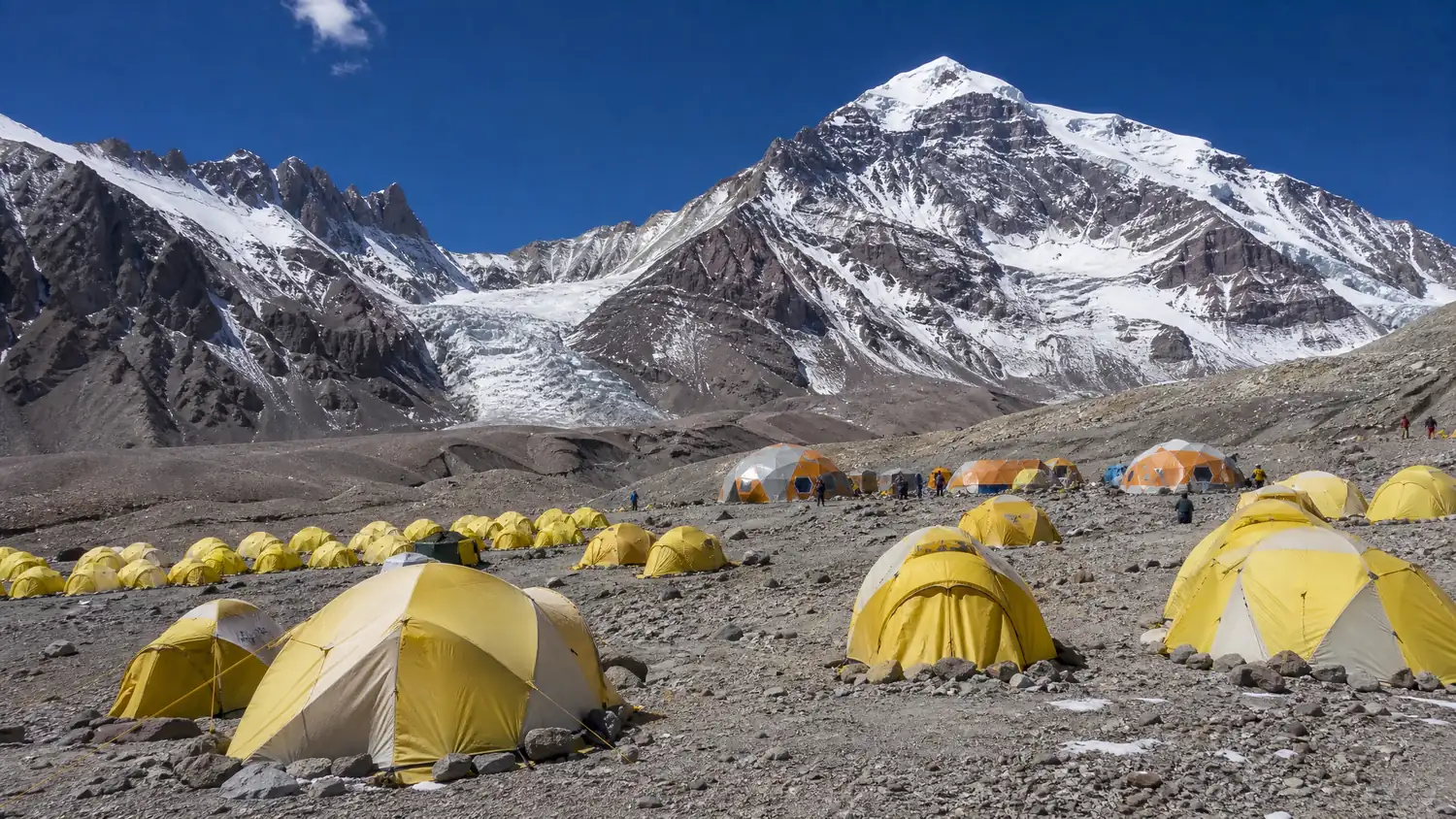
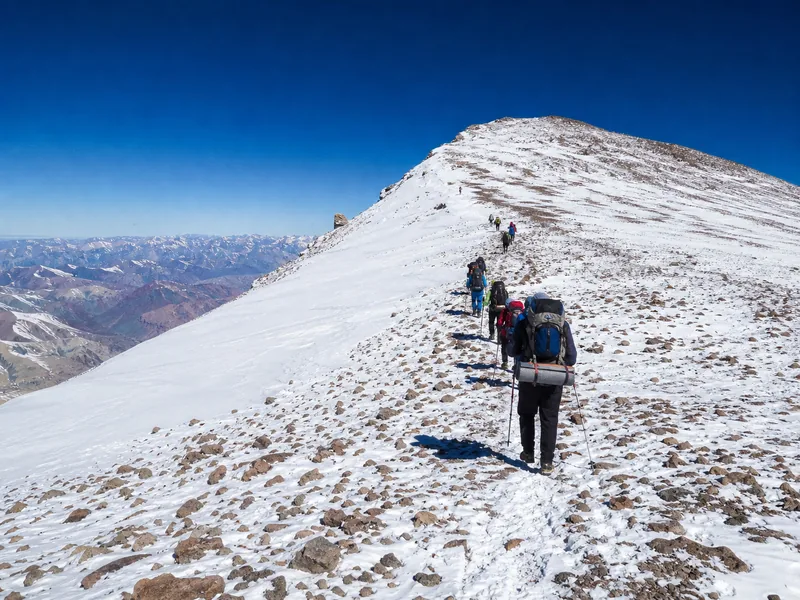
A guided Normal Route expedition via Plaza de Mulas, with meals, tents, mules and guides included. Ask the operator whether the park permit is included.
Check dates for the summit expeditionWhich is harder, Mont Blanc or Aconcagua?
They are hard in different ways. Mont Blanc is a technical Alpine climb on glaciers, done in 2 to 3 days; Aconcagua is technically easier on the Normal Route but about 2,000 m higher and a three-week expedition. Most climbers find Aconcagua the bigger undertaking.
Mont Blanc, at about 4,806 m (the figure moves with the snow cap from survey to survey), needs crampons, an ice axe and a rope on every standard route, plus the skills to move roped together on crevassed glaciers. The Goûter route has a notorious rockfall gully, and Alpine weather turns quickly. None of that is on the Aconcagua Normal Route in normal conditions.
But Mont Blanc's summit is only about 500 m higher than Aconcagua's base camp at Plaza de Mulas: you spend a night or two above 3,000 m, not two weeks above 4,300 m. Alpine climbers with good fitness often find the technical side of Aconcagua easy and the altitude and endurance side much harder than they expected.
Is Aconcagua harder than Denali?
No, Denali is usually considered harder. It is lower, at 6,190 m, but it is a glaciated climb in sub-Arctic cold, where climbers haul sleds, rope up against crevasses and wait out long storms. Many climbers use Aconcagua as a warm-up for Denali.
Denali sits far to the north, so the air pressure at its summit feels like a higher mountain, and temperatures on the upper slopes are much lower than on Aconcagua. Expeditions last about three weeks, climbers carry and drag everything themselves, and the standard route crosses crevassed glacier the whole way, so rope skills and self-rescue training are essential. Success rates are lower than on Aconcagua.
What Aconcagua gives a future Denali climber is the experience of three weeks at altitude: sleeping high, carrying loads, eating and drinking enough when you do not feel like it. That is the part of mountaineering no course can teach.
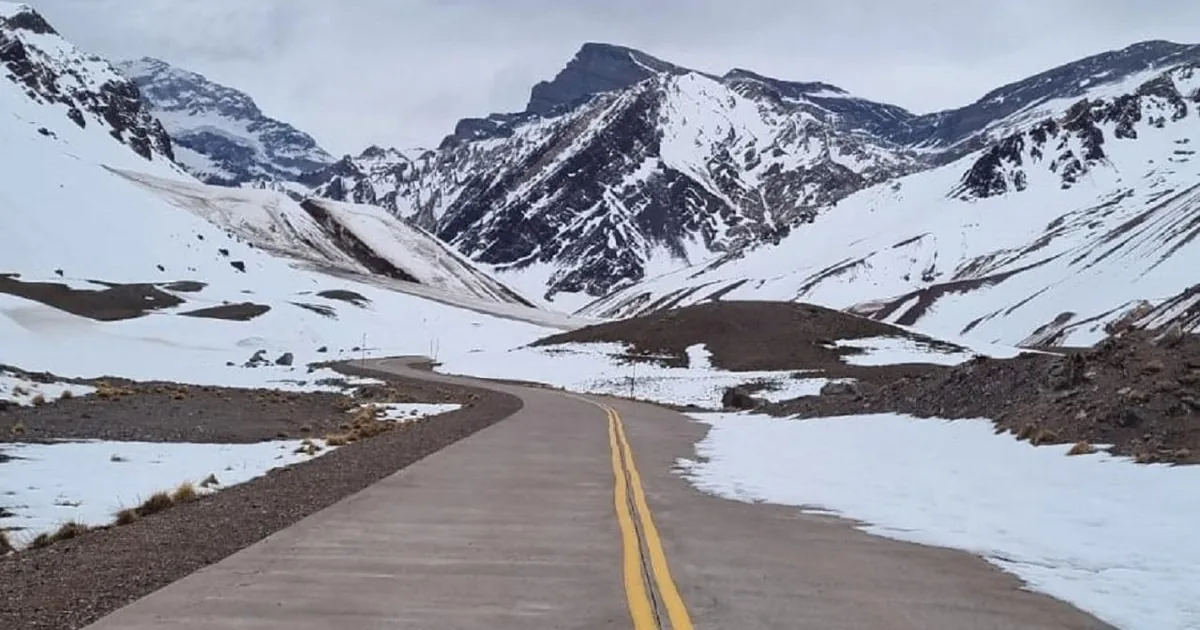
Is Lenin Peak harder than Aconcagua?
Yes, in most climbers' view. Lenin Peak, in the Pamirs, is 7,134 m high, and its standard route crosses glaciers with crevasse and avalanche risk. It is often the next step after Aconcagua for climbers heading towards 7,000 m and 8,000 m peaks.
Lenin Peak is sometimes described as a non-technical 7,000er, and it has few steep sections, but it is glaciated from low on the route and the extra height is significant: above 7,000 m the body recovers even more slowly. The logistics in Kyrgyzstan and Tajikistan are also more remote than in Mendoza, where outfitters, gear hire and hospitals are close to the park.
The usual progression is Kilimanjaro, then Aconcagua, then Lenin Peak or a similar 7,000 m peak. If you have not been above 4,000 m before, start with something smaller in the Andes near Mendoza.
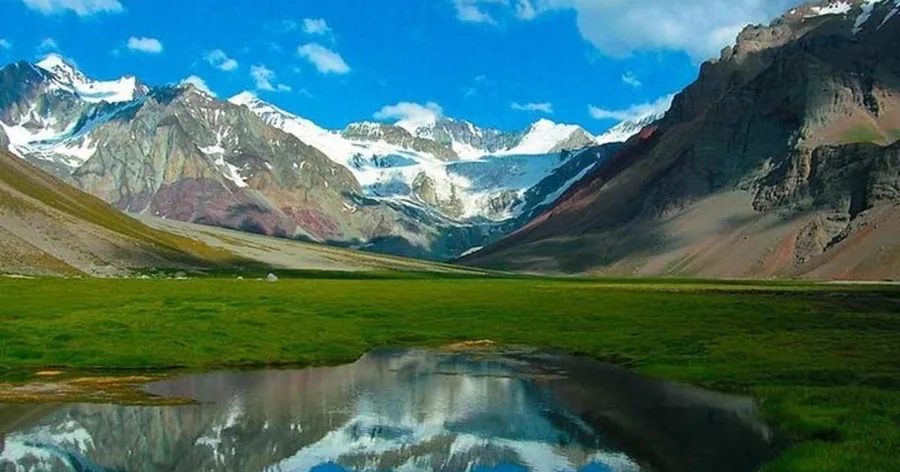
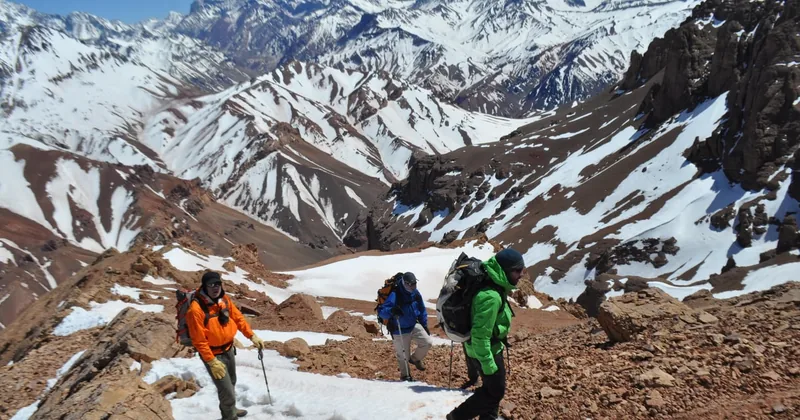
A first Andean summit before any big peak: three days, a camp in the Quebrada de Vargas and a 4,351 m top with the best view of Aconcagua's South Face.
Check dates for the Cerro Penitentes ascentWhich of the 7 summits is the hardest?
Everest is the hardest of the Seven Summits overall. Among the others, Denali is usually named the hardest, Carstensz Pyramid the most technical and Vinson the most remote. Aconcagua is usually rated in the middle.
The Seven Summits are the highest peaks of each continent, and Aconcagua is South America's. Climbers who collect them tend to rank them roughly like this, though opinions differ:
- Everest (8,849 m): the hardest by far, for its extreme altitude and length.
- Denali (6,190 m): cold, glaciers and self-carried loads.
- Carstensz Pyramid: the most technical, a rock climb in New Guinea.
- Vinson: the coldest and most remote, in Antarctica.
- Aconcagua (6,961 m): the highest outside Asia, non-technical but demanding.
- Elbrus and Kilimanjaro: the most approachable of the high ones.
Aconcagua is often the first of the Seven Summits that tests a climber seriously, which is why so many people turn back and try again in a later season.
What are the top 5 hardest mountains to climb?
The mountains most commonly named are K2, Annapurna, Nanga Parbat and Kangchenjunga in the Himalaya and Karakoram, and the Eiger north face in the Alps. Aconcagua's Normal Route is nowhere near that list, though its South Face is a serious technical climb.
Lists like this are opinion, not measurement, and they usually mix steepness, weather, objective danger and altitude. The 8,000 m peaks on them are hard on every count; the Eiger's north face is lower but steep, loose and famous in climbing history. What they have in common is that they are for highly experienced mountaineers.
Aconcagua sits in a different category: a very high peak that fit, prepared people without technical skills can attempt. That is its appeal. If you want to stand on it for a day rather than climb it, the Confluencia hike walks the first stage of the Normal Route. The routes and treks below the summit are in the Confluencia and Plaza Francia treks.
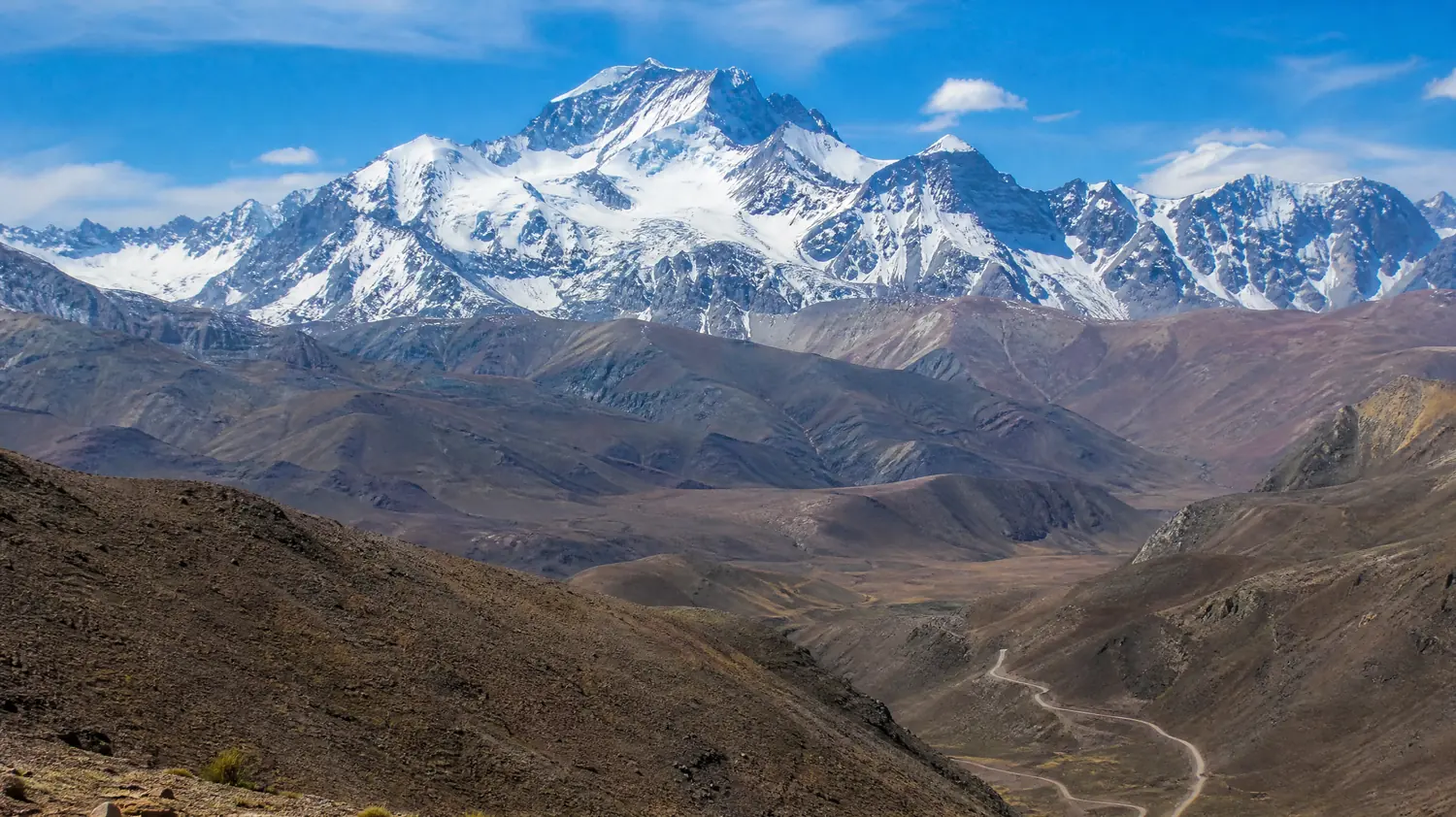
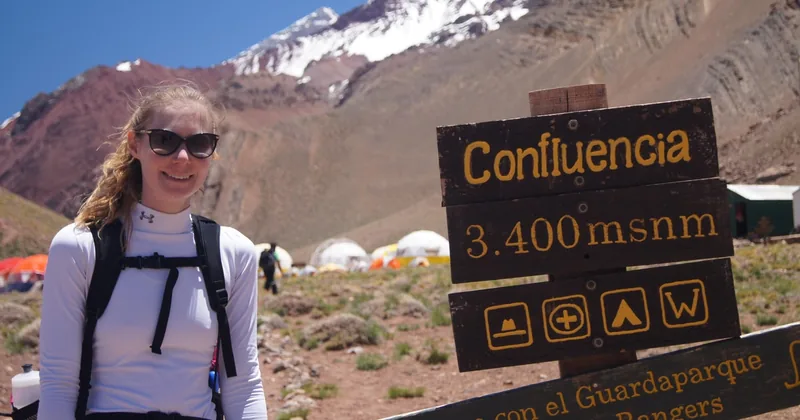
Stand on the summit route for a day: a private guided hike from Mendoza to Confluencia camp at about 3,400 m, rated 5.0 from 18 reviews.
Check dates for the Confluencia camp hikeCan you get a taste of Aconcagua without the expedition?
Yes. The Confluencia day hike takes you to the first camp on the summit route, the 3-day trek adds the Plaza Francia viewpoint beneath the South Face, and near Mendoza a 3-day ascent of Cerro Penitentes or a day in the Cordón del Plata gives you real Andean altitude.
These are the best ways to find out whether a bigger climb is for you. A day at 3,000 to 3,600 m tells you how you react to altitude; a few nights in a tent at 4,000 m tells you whether you enjoy the life of an expedition. Even the classic high mountain day tours from Mendoza stop at the Aconcagua viewpoint at Horcones, which is often all people need to see the scale of it.
The foothills close to Mendoza are gentler still: quiet trails between 2,000 and 3,000 m with guanacos and condors, about an hour from the city. All the options, from a day tour to the summit, are compared on the homepage, and the timings are in how many days to climb Aconcagua.
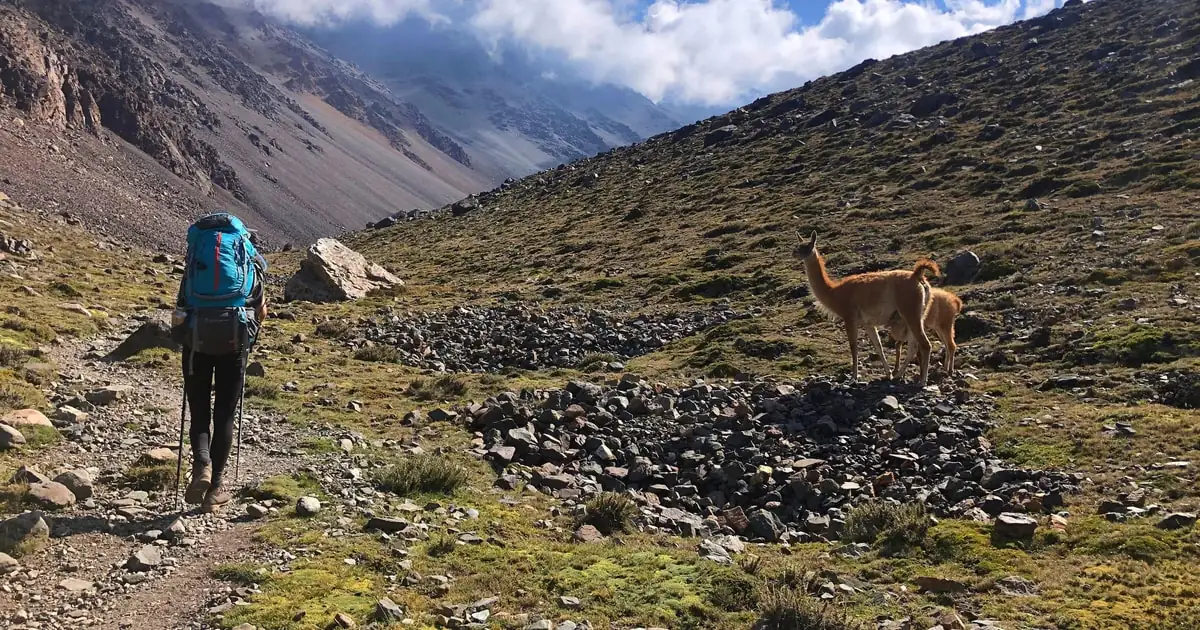
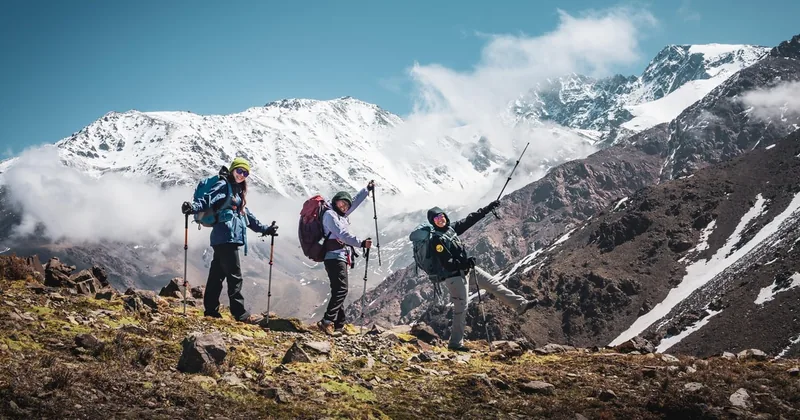
The Cordón del Plata day hike leaves Mendoza for the Vallecitos area, about 1.5 hours away, then spends 4 to 6 hours on foot on a route chosen on the day, from moderate valleys to higher viewpoints; one reviewer reached about 3,600 m. Trail lunch, poles, first aid and insurance are included.
Explore the Cordón del Plata hikeFrequently asked questions
What is harder, Kilimanjaro or Aconcagua?
Aconcagua. It is about 1,000 m higher, colder and windier, takes around three weeks instead of one, and you carry loads above base camp. Neither needs rope work on the standard route.
What are the big 3 in the Alps?
Usually Mont Blanc, the Matterhorn (4,478 m) and the Eiger (3,967 m). In climbing history, the three great north faces are the Eiger, the Matterhorn and the Grandes Jorasses.
Is Kilimanjaro harder than Machu Picchu?
They are different trips. Kilimanjaro is a 5,895 m summit trek of about a week; Machu Picchu is an Inca citadel at about 2,430 m that you reach by train or on the 4-day Inca Trail, whose highest pass is at about 4,200 m. Kilimanjaro is the far harder of the two.
Is Aconcagua a good first high mountain?
Only if you already have some altitude experience. Most outfitters want climbers who have been above 5,000 m before, for example on Kilimanjaro or a high Andean peak.
Ready to book
Choose your day
Check your date and the live price on GetYourGuide; the refund terms are shown on each option.
Aconcagua Normal Route Expedition
- Mountain guides and their expenses
- Meals, tents, mules and cooking gear
- Transport from Mendoza and back
Cerro Penitentes 3-Day Ascent
A 4,351 m summit with two nights in tents, facing Aconcagua's South Face
Aconcagua Confluencia Camp Hike
- Private return transport from Mendoza with a driver
- A professional mountain guide with Aconcagua experience
- The guided hike to Confluencia camp and back